 Reviews


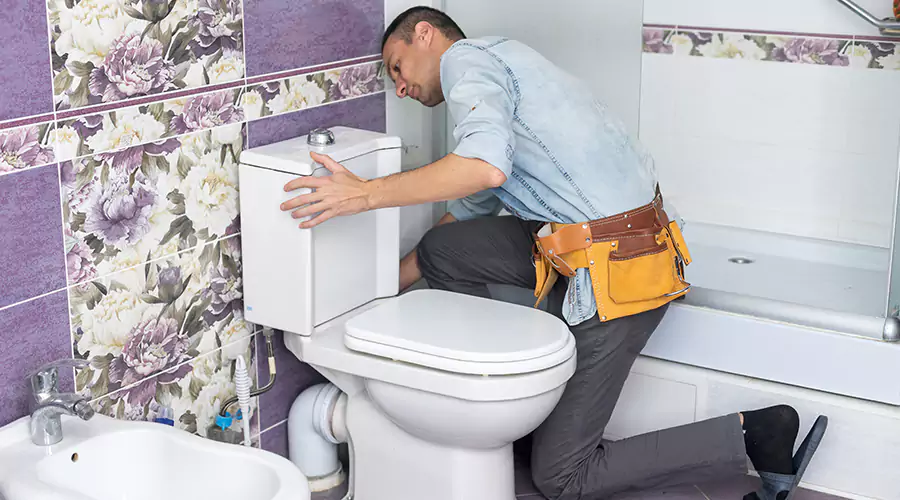
You fix a running toilet by adjusting or replacing one of three parts inside the tank. The parts cost $5 to $20 and the job takes under 30 minutes. Meanwhile a minor toilet leak can cost you $1,000 a year in water charges and a constantly running toilet can double that.
Every running toilet traces to the flapper or the fill valve or the float. Nothing else in the tank can cause it. Toilet repair starts with checking these components.
The sound tells you which part failed. This guide matches each sound to its fix in order of likelihood.
The Three Parts That Cause It
Three parts control all the water in a toilet tank. The flapper seals the drain hole at the bottom. The fill valve refills the tank after each flush. The float tells the fill valve when to stop.
Each failure has a signature. A worn flapper lets water seep into the bowl which forces endless refill cycles. A bad fill valve never shuts off. A high float sends water spilling into the overflow tube on every fill.
Start with timing as your first clue. A toilet runs after flushing for 30 to 60 seconds normally while anything longer means one of the three parts needs attention. If you're thinking my toilet keeps running no matter what I try then work the sections below in order because they run from most likely to least.
Insider Tip: Lift the tank lid and just watch one full flush cycle. Sixty seconds of observation usually names the guilty part before you touch a tool.
Fix a Flapper Leak
A toilet keeps running most often because the flapper no longer seals the drain hole. A worn flapper is the most common cause and the part costs $5 to $15. The rubber hardens with age and lets water seep through invisibly.
Prove it before replacing it. The sound of water running in toilet tanks at night with no visible movement is the classic slow leak. Put ten drops of food coloring in the tank and wait 15 minutes without flushing. When toilet bowl water keeps running enough to pull that color into the bowl the flapper is your answer.
The swap takes ten minutes:
- Shut the supply valve behind the toilet and flush to drain the tank.
- Unclip the chain from the flush lever arm.
- Pull the flapper arms off the mounting posts or slide the ring off the overflow tube.
- Scrub the sealing ring below until it feels smooth.
- Snap the new flapper on and reattach the chain with a half inch of slack.
- Restore water and run the dye test again to confirm.
Size matters at the store. About 80% of toilets use the standard 2-inch flapper while 3-inch flappers fit the rest. Take the old one with you.
Insider Tip: Skip bleach drop-in tablets forever after the swap. The chemicals sit inches from the flapper and rot the new rubber within months.
Fix the Fill Valve
A toilet that won't stop filling has a fill valve that no longer shuts off at the fill line. A leaky toilet fill valve announces itself with a continuous hiss from the left side of the tank. The valve is the second most common culprit after the flapper, especially during toilet replacement.
Confirm it by elimination. A toilet that won't stop running with a brand-new flapper and a clean dye test has a valve problem by default. The repair costs stay small since a fill valve replacement runs $60 to $150 professionally or about $15 as a DIY part.
The swap runs like this:
- Shut the supply and flush the tank empty.
- Sponge out the remaining water.
- Disconnect the supply line under the tank and unscrew the valve's lock nut.
- Lift the old valve out and set the new one to the same height.
- Tighten the lock nut hand-snug and reconnect the supply.
- Turn the water on slowly and set the fill level.
Persistent cases have a shortcut. A toilet always running after both a new flapper and a new valve deserves a complete rebuild kit for $20 to $30 because the kit replaces every wear part in one pass.
Set the Float and Water Level
Sometimes nothing is broken and the water just sits too high. When toilet water keeps running over the top of the overflow tube the float is set above the tank's fill line. The fix costs nothing and takes two minutes.
Find the fill line stamped inside the tank first. Then lower the float until water stops a half inch below the overflow tube's top. Cup floats slide down their rod with a pinch clip while newer floats adjust with a screw on the valve's arm.
The chain deserves the same two minutes. A toilet keeps running after flush cycles when the chain is too tight to let the flapper drop or so loose it tangles under it. Set a half inch of slack and clip off any excess chain length. Searches like after flushing the toilet keeps running almost always end at the float or that chain.
Insider Tip: The bill notices a toilet constantly running water before your ears do. A water bill jump with no habit change is reason enough to lift every tank lid in the house.
Diagnose by Sound and Pattern
Patterns separate the three failures faster than any tool. Match your toilet's behavior to the rows below. Each row names the part and the fix from the sections above.
| What you notice | Guilty part | Fix |
|---|---|---|
| Random refills with nobody home | Flapper | Replace it |
| Continuous hiss that never stops | Fill valve | Replace it |
| Water trickling into the overflow tube | Float | Lower it |
| Runs only right after flushing | Chain | Adjust slack |
| Louder running at night | Flapper under pressure | Replace it |
Night behavior confuses many owners. A toilet constantly running louder after midnight isn't getting worse because municipal water pressure rises when neighborhood demand drops. The higher pressure pushes more water past the same worn seal.
Terminology changes nothing else. A commode keeps running for exactly the same three reasons under its older name.
What the Repair Costs in 2026?
Running toilet repair pricing splits between a $15 part and a service call. Professional repair of a running toilet runs $100 to $400 depending on the cause. The table shows both columns.
| Fix | DIY parts | 2026 pro cost |
|---|---|---|
| Flapper swap | $5 to $15 | $50 to $120 |
| Fill valve swap | About $15 | $60 to $150 |
| Float adjustment | Free | Included in a service call |
| Full rebuild kit | $20 to $30 | $150 to $250 |
The waste math justifies speed either way. Phantom flushing alone wastes 200 to 500 gallons per month which lands directly on the bill.
Insider Tip: Every running toilet fix in this article can wait for a weekday. Skip the emergency surcharge because a closed supply valve stops the waste instantly.
When to Call a Professional
Three findings move this repair to a plumber. Each involves parts outside the tank. Everything inside the tank stays firmly in DIY territory.
- A corroded shutoff valve: A supply valve that won't close or drips when touched needs professional replacement before any tank work.
- A cracked overflow tube or flush valve seat: These require separating the tank from the bowl which risks the porcelain.
- Whole-house pressure above 80 psi: High pressure killed the last seal and will kill the next one so the real fix is a pressure regulator.
Repeat failures earn a second look too. A tank rebuilt twice in two years usually points at water chemistry or pressure rather than bad luck.
Prevention Keeps the Tank Quiet
Four habits stretch every tank part's life for pennies. The flapper does most of the failing so most prevention aims there. Together the routine costs under $5 a year.
- Run the dye test twice a year: Silent leaks show themselves in 15 minutes.
- Ban in-tank cleaner tablets: Clean the bowl from the bowl side only.
- Exercise the shutoff valve: A quarter turn back and forth each season keeps it working for repair day.
- Listen at night once a month: A quiet house reveals the hiss a busy day hides.
Conclusion
Every running toilet is a flapper or a valve or a float and the sound picks the suspect. The dye test convicts the flapper while the hiss convicts the valve and the overflow trickle convicts the float. Corroded valves and cracked seats belong to a plumber. This week run the food coloring test on every toilet you own. Fifteen quiet minutes finds the leak your bill already knows about.
FAQs
Why does my toilet run for a few seconds randomly?
That's phantom flushing from a slow flapper leak. The tank refills itself as water seeps into the bowl.
Can a running toilet increase my water bill a lot?
Yes. A constantly running toilet can cost $2,000 a year at typical utility rates.
Do universal flappers fit every toilet?
Nearly all. Match the 2-inch or 3-inch valve size and a universal model covers the rest.
Is a hissing toilet dangerous?
No. It's wasted water rather than a safety issue so schedule the fix without panic.
How long do fill valves last?
About 5 to 7 years in average water. Hard water and high pressure shorten the span.
Why does the toilet run only after long showers?
Pressure fluctuation can unseat a marginal flapper. The flapper is on its way out so replace it early.